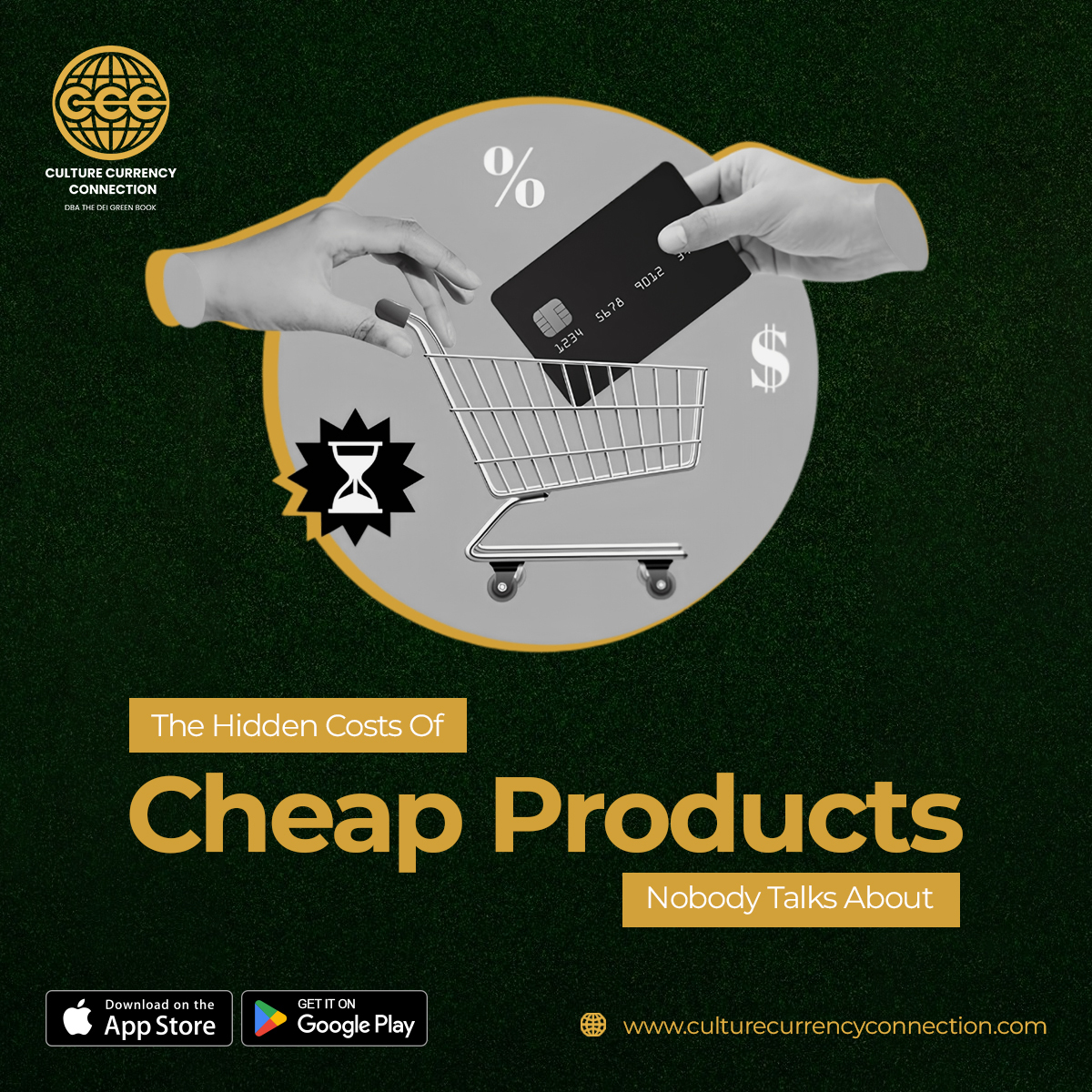
The economic situation of the world has made everyone careful about their money. Increasing living costs, tighter budgets, and endless expenses have made people choose the cheapest products and deals. Whether they are purchasing clothes, groceries, electronics, household items, personal care products, or anything else, low-price options often seem like a smarter decision. However, have you ever wondered if that bargain is actually saving you money?
In reality, the cheap products often carry hidden costs that most people don’t know about and don’t pay attention to. Although the price tag is lower upfront, the long-term consequences can be far more expensive than what you are trying to save. Not only for your wallet, but also for your health, society, and the environment.
As people are growing more conscious of ethical sourcing, sustainability, product quality, and corporate responsibility, many have started raising questions like: What is this low price hiding? And we are here to answer that. Let’s learn and understand the hidden costs of cheap products and why awareness is important before making purchasing decisions.
Why Cheap Products Seem Like A Better Deal?
At first look, a lower price seems like a good deal. Most people compare items based on costs, as it is the most visible factor. However, retailers understand this mindset and more often promote discounts, budget-friendly choices, and flash sales to attract buyers.
However, you must understand that price and value are two different things. For example, a $20 item that lasts for a few months may end up costing more than a $60 item that lasts for years.
Risk Associated With Buying Cheap Products
Now, let’s move on to the risks associated with buying cheap products.
.Lower Manufacturing Standards
A common reason for products being inexpensive is the reduced overall quality. The production industry usually cuts costs through low-quality materials, faster production cycles, poor quality control, minimal testing, and less strict safety standards.
As a result, products perform poorly, require frequent maintenance, or die sooner and need replacement. Ultimately, consumers have no choice but to spend money repeatedly purchasing the same item because they didn’t invest in quality from the start.
This is called the buy-twice effect. A low-cost product fails, the consumer buys again, the replacement also fails, and the cycle continues. Over time, what looked like a cheaper option ends up being more expensive. Eventually, the consumer goes for a higher-quality alternative.
.Higher Waste Generation
Many low-cost items are made for short-term use instead of long-term value. However, frequent replacements mean more landfill waste, more resource use, higher manufacturing emissions, and increased packaging waste.
The global sustainability movement is making consumers think twice before buying a product. Yet, it is for the greater good, as purchasing products that last longer reduces waste and supports responsible consumption.
.Bad Production Practices
Some manufacturers cut down production costs by neglecting environmental responsibilities. This includes higher carbon emissions, unsustainable material sourcing, poor waste management, and increased natural resources consumption.
Such companies usually don’t share ESG reports, sustainability standards, and environmental initiatives information. However, as consumers become more aware, they now demand transparency instead of blindly purchasing products.
.Questionable Labor Laws
Sometimes, lower prices are made possible at the expense of labor. This means unsafe working conditions, long working hours, unfair wages, and lower protection standards.
Since such thoughts usually don’t cross many consumers’ minds and such companies mostly never share the complete picture, the labor keeps paying the price. However, times are changing. Social media and the internet are educating people on ethical labor laws, and they now care to know how products are made, who is making them, and under what conditions.
.Severe Health Risks
Since cheap products are made with low-grade materials and poor standards, they not only carry financial risks but also pose a threat to health and well-being. This is usually linked with children’s items, furniture, electronics, personal care items, and household goods.
Some of the risks include safety hazards, inadequate performance, allergic reactions, contamination, malfunctions, and physical injuries. So, when consumers overlook safety and quality standards, they are putting themselves and their family in potential danger in addition to repair or replacement costs.
How To Evaluate A Product?
Now that you know about the risks that cheap products usually carry, let’s learn how you can evaluate a product.
.Look Past The Price Tag
Before purchasing, look at the brand reputation, product lifespan, warranty (if any), quality certifications or seals, customer reviews, and company values.
If the information is not readily available, it is best to research yourself, ask the seller, or look for an alternative.
.Ask Better Questions
Going into the store and asking for the cheapest option is not really a good idea. Instead, ask about the product’s lifespan, transparent companies, and options that offer maximum value-for-money.
These questions will help you make better purchasing decisions and lower overall costs.
Conclusion
Cheap products may seem better at first glance, but the hidden costs behind the screen are far greater. The risks associated with such items can turn a bargain into a costly mistake, not just in terms of money but also in terms of personal health and environmental sustainability.
However, consumers are becoming increasingly aware, more informed, and value-driven. This shift is increasing the importance of taking transparency, accountability, and quality standards into account before buying. Moreover, there are now different platforms like CCC that help consumers find information about brands and choose the ones that align with their values.