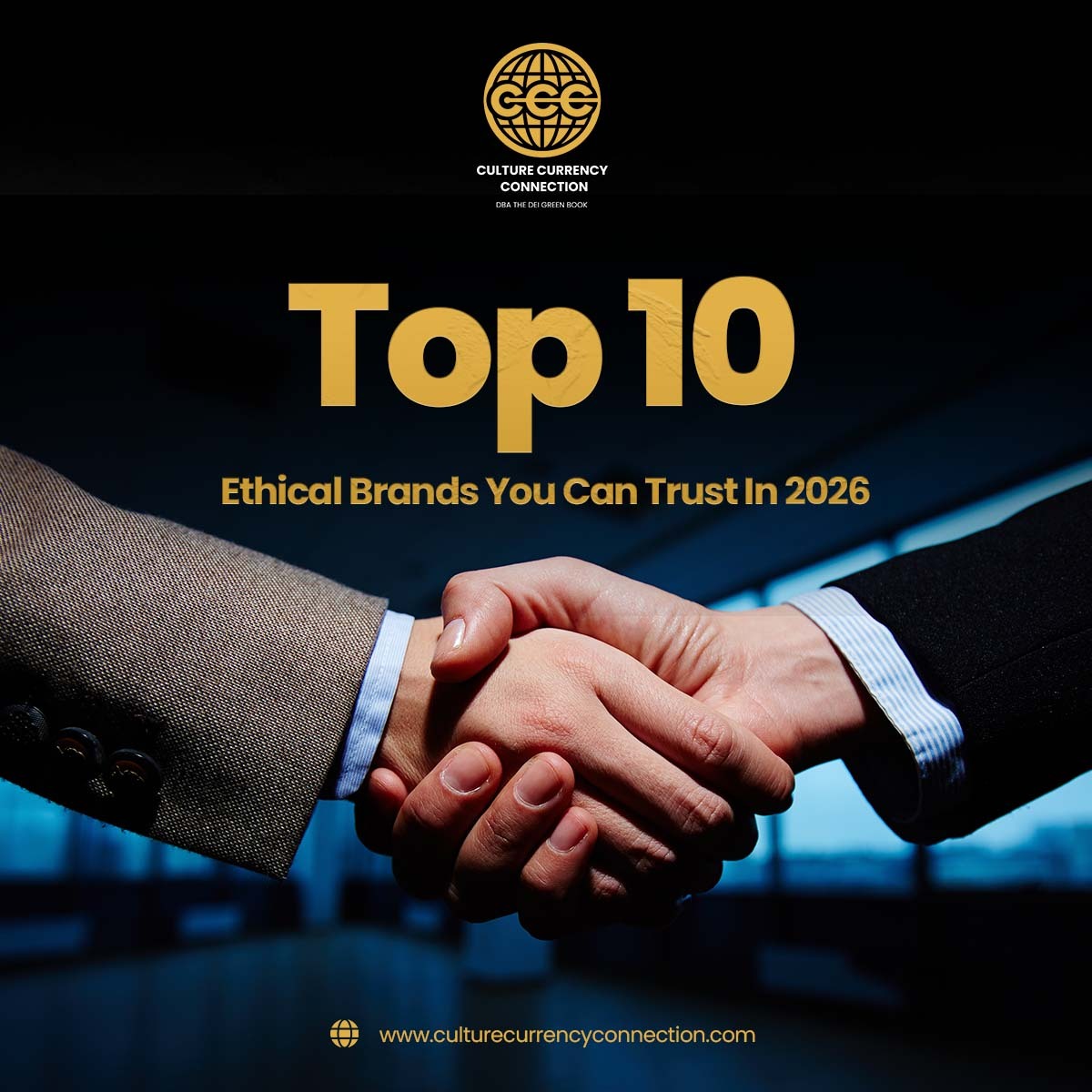
Ethics and sustainability are no longer optional, but a measurable business standard. In 2026, both consumers and investors are leaning more towards verified ethical companies, driven by ESG, DEI, and operational transparency.
As a result of this shift, companies cannot just self-report ethics; instead, it is verified through individual audits, third-party standards, and regulatory bodies. This is also beneficial for companies, as those with strong ethical standards are more trusted by people and are able to outperform competitors in volatile markets.
Moving on, before we start naming the top ethical brands of 2026, it is necessary to understand what ethical actually means.
What Makes A Brand Ethical?
A truly ethical brand must have the following:
- Verified ESG performance
- Transparent sourcing, working, and supply chains
- Fair labor practices and pay structures
- Measurable environmental impact
- Strong governance and compliance details
Any company that does not meet these criteria can not be truly ethical. Also, it must obtain ethical standards through official third-party regulatory systems, rather than just reports.
Top 06 Ethical Brands Of 2026
Now that you have the knowledge of what makes a brand ethical, let’s dive into the names of the top brands. We have prepared this well-researched list of the top 06 ethical brands you can confidently trust in 2026, verified through real performance and not just claims.
1. West Fraser Timber
West Fraser Timber is a prime example of how ethics can be deeply rooted in operations. Started in 1955, West Fraser Timber is a globally positioned and community-focused company, making renewable wood building products for the world.
West Fraser Timber strictly upholds sustainable forestry practices and strong environmental compliance, and is one of the best ethical brands of today.
2. Vital Farms
Vital Farms is another top ethical brand, redefining transparency in food production. The brand uses open pasture systems, certified humane farming practices, recyclable packaging, and post-consumer recycled materials, and has achieved TRUE Zero Waste certification.
The company’s commitment to the environment and sustainability has helped it become a globally trusted ethical food brand.
3. Winmark Corporation
Winmark Corporation works on a resale retail model, helping partners in bringing value to their communities and shaping the growth of resale shopping brands. Since its inception in 2010, Winmark has recycled over 2 billion items.
This movement has not only given the communities an easy way to buy and sell items, but has also allowed the team to significantly minimize waste. The company’s effort for environmental sustainability has helped it earn a trusted ethical brand status.
4. Croda International
Croda International was established in 1925 with a goal to use smart science to improve lives. Also referred to as a true green chemistry innovator, Croda creates high-value ingredients and specialty chemicals for industries and consumers across 37 different countries.
The team at Croda utilizes renewable raw materials and environmentally sensitive processes for everything, honoring its commitment to sustainable working.
5. Accenture
Accenture is a globally renowned ethical company with consistent ethical rankings, strong compliance frameworks, and a focus on responsible AI and digital usage. Among many other things, Accenture is also committed to the environment, ethics, and human rights, practicing sustainability itself and helping clients do the same.
With wings spread into different niches, Accenture affirms that even big corporations can maintain ethical consistency at scale if they want to.
6. Patagonia
Patagonia started as a maker of climbing gear, and soon got into apparel. Since then, it has positioned itself among the most trusted ethical brands in the world, securing B Corp certification for its efforts.
In terms of sustainability, Patagonia keeps its gear and apparel in circulation through its Worn Wear project, actively supports grassroots activism, and gives back to the planet with profits.
How To Identify Ethical Brands Yourself?
If you want to see past the marketing claims and figure out which brands are truly ethical, you must check the following aspects.
-
Verified Certifications
Including B Corp certification, ESG audit reports, and third-party compliance data.
-
Measurable Impact
Including carbon emissions data, waste reduction metrics, and diversity and inclusion data.
-
Complete Transparency
Including open reporting, independent validation, and a transparent governance framework.
Final Takeaway
The term ethical brands has evolved significantly over the years. In 2026, a simple green tag means nothing unless proven with data, reports, and statistics.
The brands we highlighted above stand out because they understand their responsibility, deliver measurable impact, and give back to the community and our Earth.
As we move forward, visibility and engagement may not be enough for brands to succeed – they will also have to be verifiably ethical.