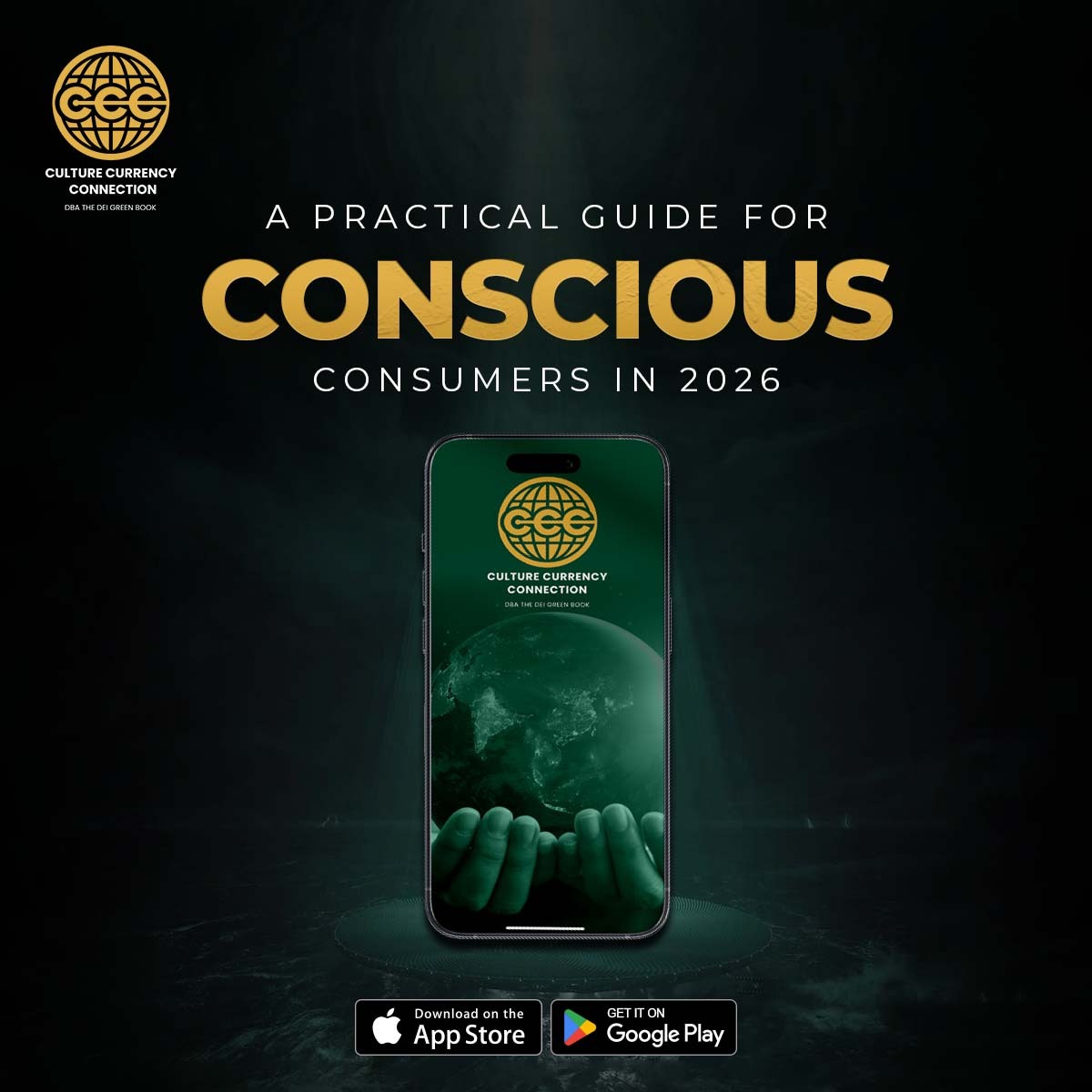
Conscious consumerism has become a mainstream expectation in 2026. More than ever before, people are asking deeper questions and showing real concerns before they buy. For example: the brand name, conditions, where the money goes, and if the brand aligns with their marketing.
Today, we will dive deeper into the topic and help you navigate ethical consumption practically, so you can spend without guilt, overwhelm, or unrealistic standards.
What Does it Mean to Be A Conscious Consumer in 2026?
Being a conscious consumer means thinking about the social, environmental, and ethical impact of your purchasing decisions. In addition to eco-friendly and sustainable ideas, conscious consumers also look into the ethical practices, transparency, diversity, equity, inclusion, financial influence, and accountability. To put it simply, conscious consumption today is more data-driven, and not just label-driven.
Now, the one question most people ask us is: Why does conscious consumerism matter so much, especially now? Well, the trust in corporations is declining. On the other hand, people have more access to information than ever. Consumers are mostly not satisfied with the corporate promises and green slogans.
What does it all lead to? Consumer spending influences corporate behavior, greenwashing becomes more sophisticated, and values-driven communities grow.
Let’s now understand the difference between standards.
Ethical vs Sustainable vs ESG
.Ethical Consumptions
Ethical consumption entails fair wages, transparency at every stage, human rights, and corporate accountability.
.Sustainable Consumption
Sustainable consumption covers carbon footprint, waste reduction, resource use, and climate responsibility.
.ESG (Environmental, Social, Governance)
It is a system used by investors, and it regulates environmental risk, social responsibility, and corporate governance.
A company that may succeed at ESG may still fail to meet the ethical expectations of a consumer. Conscious consumers look at all three and not just one.
How To Check The Ethical Status Of A Company?
Identifying if a company is truly ethical is one of the biggest challenges for a consumer. Here is a checklist to make a confident decision.
1. Look Behind-The-Screen
Go beyond the general marketing words like eco, green, and ethical, and ask the real questions, such as what data supports the claim(s) and any verifications.
2. Research Supply Chain
The truly ethical companies are open about manufacturing, workers’ information, and the work culture. Lack of information in any area is a red flag.
3. Check Labor And DEI Practices
Ethical consumption also includes the people and their rights, like fair wages, inclusive company culture, safe working conditions, and public DEI commitments.
4. Examine The Moving Moneya
Check the lobbying activities, political donations, and corporate partners. The answers reveal what the company focuses on more honestly than any form of advertising.
5. Rely On Data And Not Just Ratings
Reviews reflect opinions, whereas ethics reflect actions. The most trustworthy information comes from verified data sources and not just star ratings.
How To Align Your Spending With Your Values?
Before anything, remember to start slowly and go step-by-step.
- Choose a single category or niche to focus on first. For example, clothing or groceries.
- Set ethical intentions and not restrictions. Make sure to focus on alignment.
- Use modern tools to centralize ethical information and simplify decision-making.
- Track progress and don’t chase perfection.
What Do We Mean By Using Modern Tools?
Modern, centralized platforms greatly support ethical consumerism. They help consumers discover and compare brands using verified data, reduce decision stress, join like-minded communities, and match users with values-aligned businesses.
Technology helps turn it all into a proper, organized system, instead of a burden.
The Future of Conscious Consumerism
Looking ahead, the future looks very promising for conscious consumerism. It will continue to evolve in the following ways:
- Users will expect and demand greater transparency of ethical data by default.
- Ethical choices will reflect personal identity and not just preferences.
- We will see more experience-driven ethical discovery through modern platforms.
In 2026, conscious consumers will not just ask what they are buying. They will also ask who they are supporting.
Final Thoughts
Being a conscious consumer in 2026 is not just about doing everything right, but also about doing things intentionally for good. One must carefully research and follow reliable information and aligned communities.
Ethical consumption is not another experiment; it is becoming a massive part of how the modern economy works. Finally, with increasing consumer demand, the accountability aspect also increases.
Как [url=https://vpn-1.ru]ВПН[/url] помогает при удалённой работе в другом часовом поясе?